It is the roof. It is almost always the roof.
A conservatory that bakes in July and is unusable in January is not badly built and does not have the wrong windows. It has a polycarbonate or early glass roof doing exactly what that roof was designed to do: let heat in, and let heat out.
You can tell quickly. On a hot afternoon, stand inside and put your hand up towards the roof — the heat is coming down at you, not in through the glazing at eye level. In winter it works in reverse; the room is coldest directly under the roof, and rain on polycarbonate is loud enough to stop a conversation. If that is your conservatory, replacing the windows will not fix it and you should not let anyone sell you that.
Fix one: upgrade the glazing, keep the structure
The lightest intervention. Modern solar-control glass reflects a large share of solar heat before it enters, while self-cleaning coatings deal with the fact that nobody wants to get on a ladder to wash a conservatory roof.
This suits a conservatory that is structurally sound and only mildly uncomfortable — an hour or two too warm on the hottest afternoons rather than unusable. It is the quickest to fit and the least disruptive. What it will not do is turn a glass box into a room you can heat economically in December.
Fix two: a replacement glass roof
A full new roof system, still glazed, with modern thermal performance throughout — properly insulated glazing bars, better seals and a frame designed to current standards rather than the standards of twenty years ago.
This is the right answer when you want to keep the light. A conservatory on a north-facing wall, or one that is the main source of daylight into a dark kitchen, loses something real when you put a solid roof on it. A modern glass roof keeps that and fixes most of the comfort problem.
Fix three: a warm tiled roof
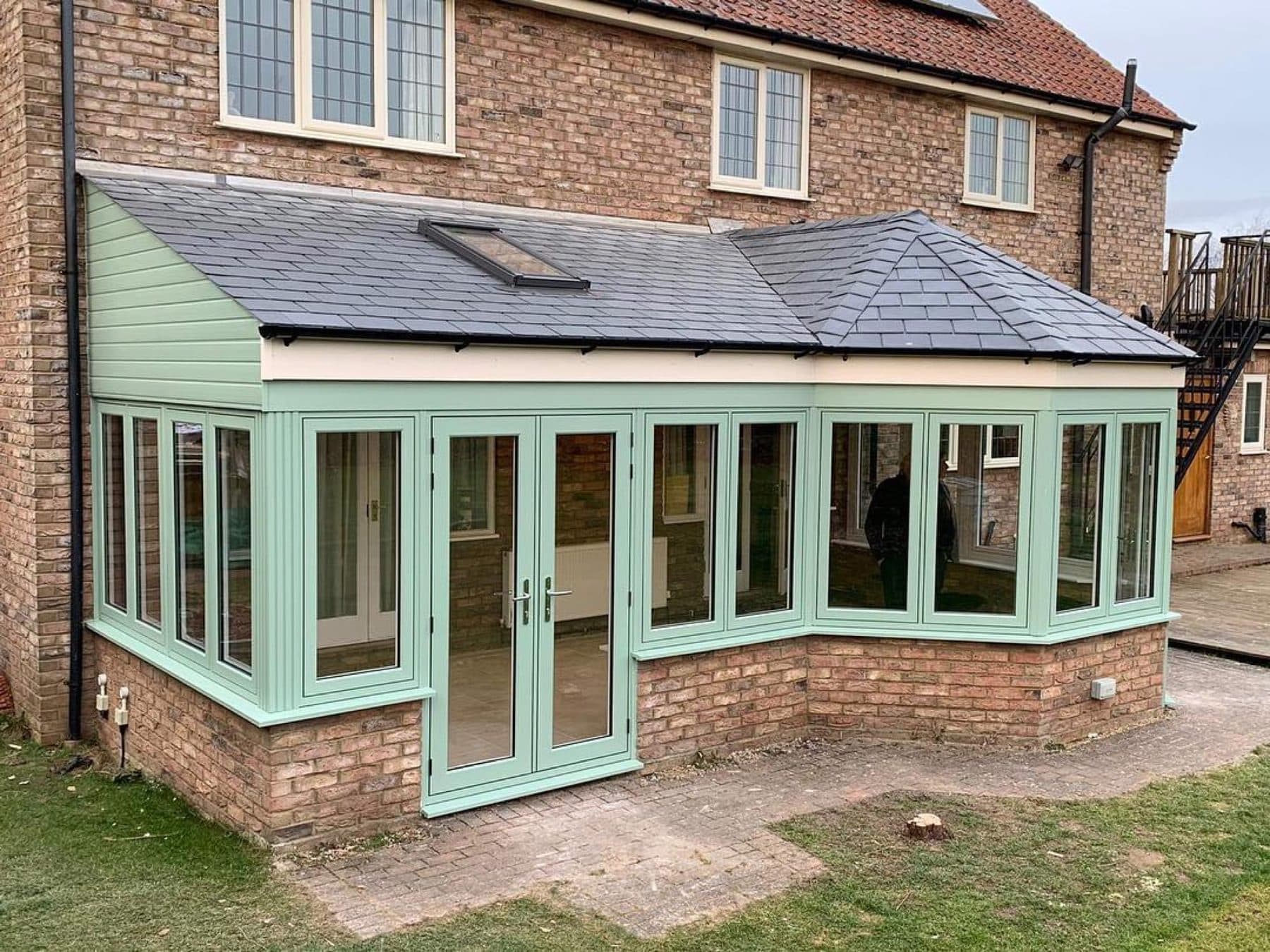
Lightweight composite tiles over an insulated rafter zone, with a plastered ceiling underneath. From outside it reads as an extension rather than a conservatory. From inside it is simply a room — one you can heat, use as an office, and sit in during a downpour without raising your voice.
This is the fix for a conservatory you have effectively stopped using. It is the biggest of the three jobs, it needs Building Regulations sign-off, and it usually takes three to five days. It is also the one that changes how a house is used, and the one customers most often say they should have done years earlier.
The one honest caution: you are trading daylight for comfort. Roof lanterns and roof windows claw a lot of it back, and specifying those properly is most of the design conversation.
How to work out which one you need
Be honest about how much you currently use the room, because that is the real question. If you use it most of the year and it is simply too warm at the peak of summer, fix one. If you like the light and want the room back year-round, fix two. If the conservatory has quietly become a place to keep the drying rack, fix three.
Whichever it is, the existing base and frame have to be surveyed first. A tiled roof is heavier than what is up there now, so the existing structure has to be assessed for it — which is a twenty-minute job for a surveyor and cannot be done from a photograph.
Published August 2026 · Written by the Custom Choice team, Peterborough